Learning Center
 Materials Calculator
 Industries Served


3K Stabilized Carbon Fiber Fabric
Details
Details
Classic Carbon Fiber look with improved handling
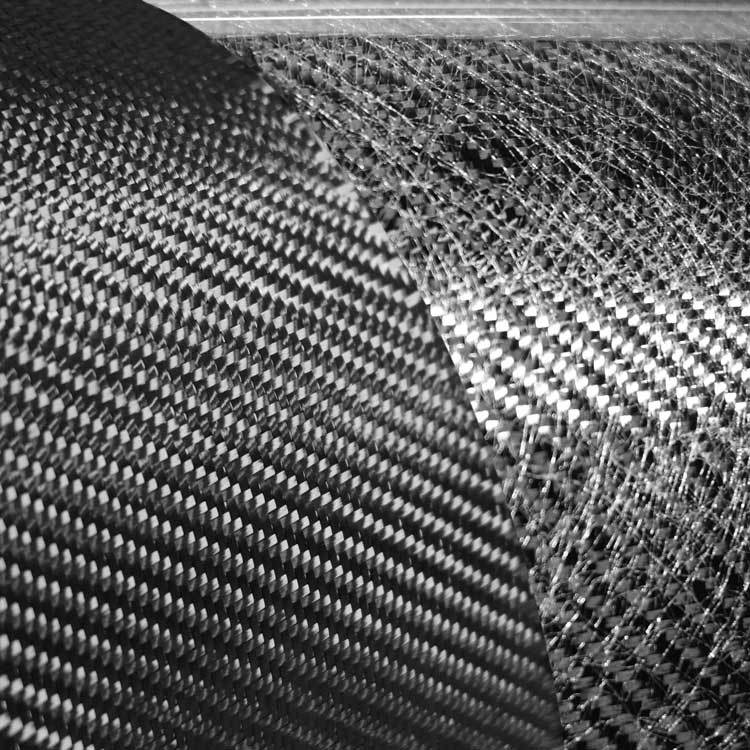
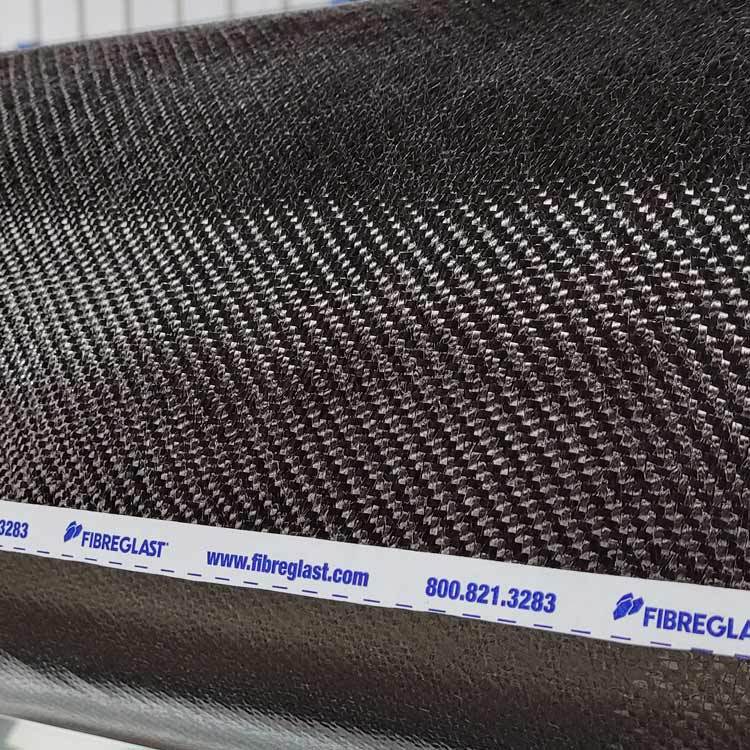
Woven with TR30S 3K fiber, this fabric provides unparalleled handling characteristics. It is backed on one side by a very thin layer of veil, which keeps the carbon fiber from unravelling during cutting, handling, and loading the mold. This fabric is ideal for modern composite components in aerospace, marine, sporting goods, and racing industries.
The twill weave offers greater conformability, presents a beautiful herringbone texture, and delivers a slight edge in strength. This carbon fiber Fabric is compatible with all the resin systems on our website, including epoxy, polyester and vinyl ester.
3K Stabilized Carbon Fiber Fabric Features
- TR30S 3K fiber
- Unmatched handling characteristics
- Twill weave provides signature aesthetics and ease of use
3K Stabilized Carbon Fiber Fabric Tips
- During lay-up, add layers at alternating 45-degree angles to maximize strength.
- Ensure that the veil side is NOT the surface of the part
- Use with epoxy resin, polyester resin, or vinyl ester resin to produce composite parts of excellent strength, low weight, and outstanding cosmetics.
- To maximize strength in parts, use with an epoxy, like our System #2000.
3K Stabilized Carbon Fiber Fabric Specifications
| Roll Width | 50" Wide |
| Roll Length | 75 yards |
| Weight | 210 GSM |
| Weave Pattern | 2x2 Twill |
| Count Ends | 13.5 x 13.5 |
| Veil Weight | 1-3% |
Fibre Glast Guarantee
Fibre Glast is committed to ensuring that every roll of fabric we handle is First Quality and manufactured to the highest standards, so that you can expect the same properties and handling characteristics every time you order.
Click here for more information on our First Quality Guarantee.
What is Stabilized 3K Carbon Fiber Fabric?
Stabilized 3K Carbon Fiber Fabric from Fibre Glast is a TR30S 3K twill weave carbon fiber that features a very thin veil backing on one side to prevent unraveling during cutting, handling, and loading the mold.
This fabric maintains all the exceptional performance characteristics of standard 3K 2x2 twill carbon while providing significantly enhanced workability for complex layups and demanding fabrication processes.
The veil backing allows cleaner cuts with less fraying and easier positioning in molds without the weave pattern shifting or distorting during the fabrication process that standard fabrics often experience.
Why Choose Stabilized Carbon Fiber Over Standard Weaves?
Standard carbon fiber fabrics, particularly twill weaves with their characteristic diagonal pattern, can shift and distort when handled, cut, or positioned in molds.
This pattern distortion can lead to cosmetic defects in finished parts.
The stabilized version addresses this challenge with a thin veil layer bonded to one side of the fabric that holds the weave in place during processing.
This is especially valuable when working with complex contours requiring precise fiber placement, multiple-piece layups where pattern alignment matters, or applications where consistent fiber alignment is critical to cosmetic appearance.
The twill weave offers greater conformability, presents a beautiful herringbone texture, and delivers a slight edge in strength compared to plain weave counterparts.
What Are the Best Applications for Stabilized Carbon Fiber?
Stabilized carbon fiber is ideal for modern composite components in the aerospace, marine, sporting goods, and racing industries where consistent handling and clean fabrication are priorities.
Racing teams and high-performance fabricators choose stabilized versions when producing complex aerodynamic components with compound curves where pattern distortion would be visible.
Marine applications benefit from the easier handling when covering large surfaces where fabric movement could create wrinkles or pattern misalignment.
Sporting goods manufacturers use stabilized carbon for consistent production of premium equipment requiring repeatable quality across production runs.
How Should Stabilized Carbon Fiber Be Used for Best Results?
Handle stabilized carbon fiber the same way as standard carbon, with the significant benefit of reduced shifting during positioning and cutting operations.
During lay-up, add layers at alternating 45-degree angles to maximize strength. Ensure that the veil side is NOT the surface of the part.
The fabric is compatible with all standard resin systems including polyester, vinyl ester, and epoxy. To maximize strength in parts, use with an epoxy, like Fibre Glast System 2000 (#2000).
Cut with standard fabric shears and position carefully before applying resin for optimal results and consistent parts.
The stabilized construction is particularly valuable for production environments where fabrication speed and consistency are priorities.
By reducing the careful handling typically needed to prevent pattern distortion, stabilized carbon fiber can help reduce layup time while improving finished part quality through more consistent fiber placement and pattern alignment.
Fibre Glast is committed to ensuring that every roll of fabric is First Quality and manufactured to the highest standards for your demanding composite applications.
Data Sheets
Data Sheets
Shipping
Shipping
Sizes
Sizes